When Piano Reveries Met a Full Band: the Vassar City Band Performance
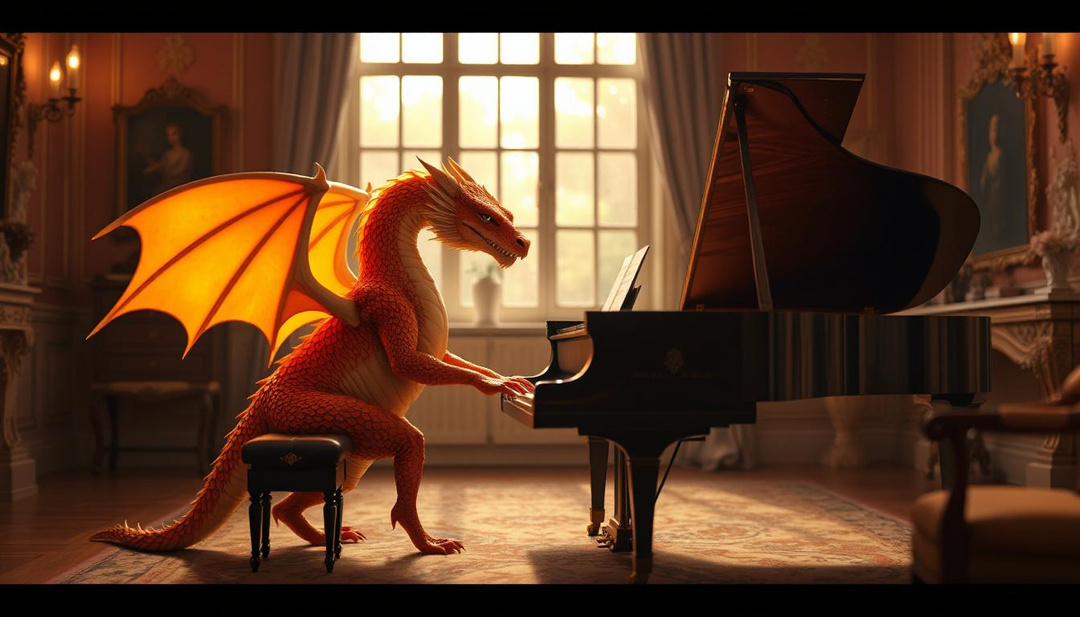
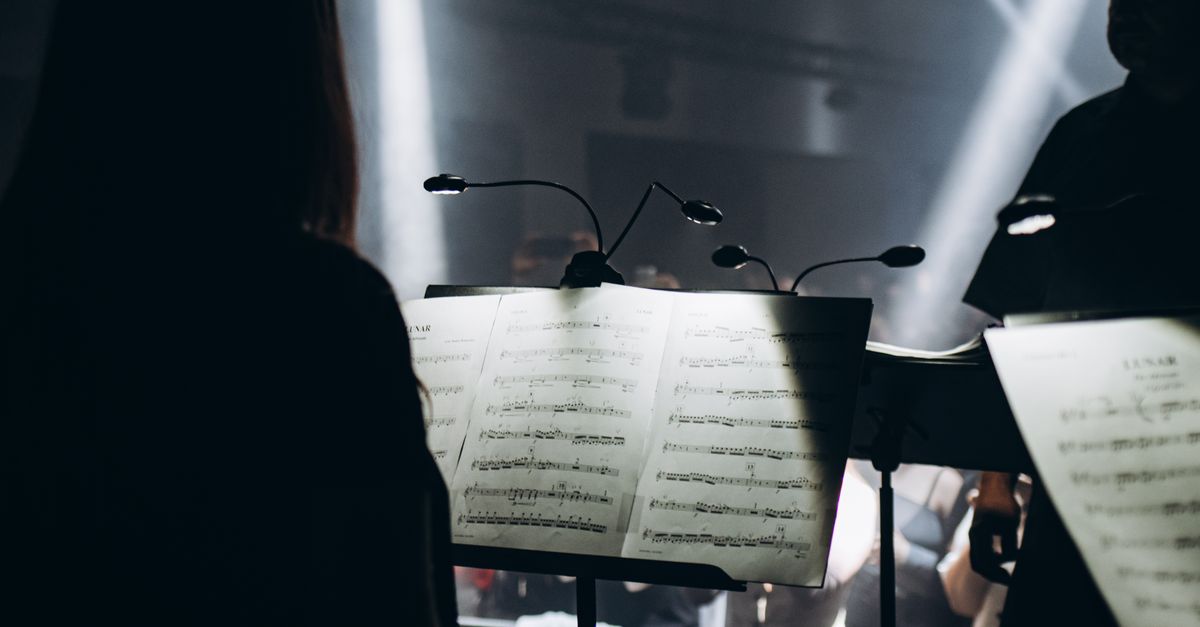
Most piano music lives and dies on one instrument. Piano Reveries got a second life. In 2025, before the studio album launched, the Vassar City Band performed Piano Reveries live as a full ensemble, and music that Michael Clinesmith wrote for two hands suddenly had a whole room of players behind it.
That’s a strange, wonderful thing to happen to a solo piano record. It’s also a pretty good test of whether the writing holds up. Here’s why that performance matters, what changes when piano music meets a band, and where to hear the album the way it was first written.
From a solo piano album to a full band
Piano Reveries is 22 original pieces by Michael Clinesmith, the composer behind Endtime Entrepreneurs and the indie RPG Rebellion. Every track is anchored by piano, but the album wanders far: classical, jazz, funk and soul, flamenco, chillwave, pop, and thematic, film-score style writing.
Piano is the most self-sufficient instrument there is. One player covers the melody, the bass line, and the harmony in between. That’s what makes solo piano so intimate, and it’s also what makes it tricky to hand to a band. All those jobs that ten fingers were doing at once have to be pulled apart and given to different people.
So when the Vassar City Band took Piano Reveries to the stage in 2025, the pieces stopped being one person at one keyboard. They became a conversation between sections.
What the Vassar City Band brought to the pieces
A live ensemble adds things a single piano simply can’t. A band can hold a long note and let it swell. Players can breathe together, which gives a phrase a rise and fall that feels almost like singing. And there’s the plain physical weight of a room full of musicians playing at once, which you feel in your chest as much as you hear it.
Think about a piece like After the Storm, the classical opener of the album. On piano, it’s quiet and reflective. Give a theme like that to a whole ensemble and the “storm” and the “after” can take on very different sizes. The same goes for the album’s dance pieces. Rhythm-driven tracks like Dance in D and Step and Dance are built on motion, and motion is exactly what a group of players locking into one groove does best.
The performance didn’t replace the album. It revealed something about it. These are real compositions, with melodies and harmonic motion strong enough to survive being moved to entirely different instruments. That’s a quality you can’t fake.
Arranging piano lines for many instruments
Turning piano music into ensemble music is called arranging, and it’s a craft of its own. The arranger’s first job is to figure out what the piano is actually doing at every moment. Which notes are the tune? Which are the bass? Which are filling in the chords, and which are decoration the hands added because they could?
Once those layers are separated, each one needs a home. A melody can move between sections over the course of a piece, so the listener hears the same line in a new color the second time around. A bass line a pianist plays with the left hand can be shared among lower instruments. Fast figures that sit easily under the fingers on a keyboard can be awkward for other instruments, so they get reshaped to fit what those players do well.
That’s where Michael’s writing helps. The three-movement Sonatina in G follows classical structure, with clear themes and clear sections, which gives an arranger a solid map. Even the less traditional tracks have strong bones. Minor Major is built around a single idea that it keeps returning to, and an idea that clear is easy to pass from player to player without losing the thread.
It’s also why the sheet music matters. Michael’s scores are available through Sheet Music Plus and Sheet Music Direct. Music that exists on paper can be learned, adapted, and played by other musicians. A live band performance is one of the best things that can happen to a written piece, and it starts with the notes being out there to read.
What the studio recordings keep that a live set can’t
A full band is big and generous. A solo piano is close. Both are good, but they’re not the same experience, and the studio album holds onto things a concert can’t.
On the record, you hear every small choice Michael made at the keyboard. The tiny pause before a phrase lands. The way a chord is voiced so one note rings a little longer than the others. The hush of a piece like Jade’s Lullaby, which works because it’s quiet enough to lean in to.
Some pieces are personal enough that intimacy is the whole point. For Grandma sits in the album’s funk and soul corner, and on solo piano its warmth feels like it’s being played for one person. Lovely Night brings a relaxed jazz feel that settles beautifully into a quiet room at the end of the day. A concert gives music to a crowd. A recording gives it to you.
The album is also the full picture. A live program picks what fits the band and the evening. Piano Reveries the album gives you all 22 tracks in Michael’s own order, from the reflective opening of After the Storm to the bright lift of Joyous and the steady push of Working Through It.
Hear the studio album
If the idea of Piano Reveries played by a full band caught your ear, the best place to start is the source. The music page has track previews, the full tracklist with genres, and the album download, so you can hear exactly what the Vassar City Band was working from.
Prefer streaming? Piano Reveries is out on the major platforms, and the Piano Reveries smart link takes you straight to it on Spotify, Apple Music, and the rest.
A few other places to go, depending on what you’re after:
- Play the game it grew alongside. Rebellion is on Steam, and its score is available on its own as the Rebellion Soundtrack DLC.
- Support new music. Michael’s Patreon is the most direct way to keep an indie composer writing.
- Follow along. New music and trailers go up on YouTube.
- Hire Michael. If you need original music for a game, film, or project, you can book him for a custom score on SoundBetter.
And if you play in a band, an orchestra, or just love sitting at the piano yourself, grab the sheet music and see where these pieces take you. The Vassar City Band already showed they can travel a long way from where they started.
If this resonated, you can listen to and buy Piano Reveries, learn more about the music, or get in touch about a custom score.
 Track Spotlight
: "Step and Dance" — Piano Reveries Finds Its Footing
A spotlight on "Step and Dance," track 15 of Michael Clinesmith's Piano Reveries: a 4:53 solo piano piece that opens the album's five-track piano run. What to listen for, and where to hear, buy, stream, and play it.
Where to Listen How to Add Piano Reveries to Your Playlist
A quick guide to saving Piano Reveries by Michael Clinesmith on Spotify or Apple Music, and the moods it fits — focus, reading, rest, and quiet mornings.
Behind the Music Eight Genres, One Piano: the Range of Piano Reveries
Piano Reveries moves through classical, jazz, funk, flamenco, chillwave, pop, and film score — all on solo piano. A tour of the album's surprising range.