Track Spotlight: "Step and Dance" — Piano Reveries Finds Its Footing
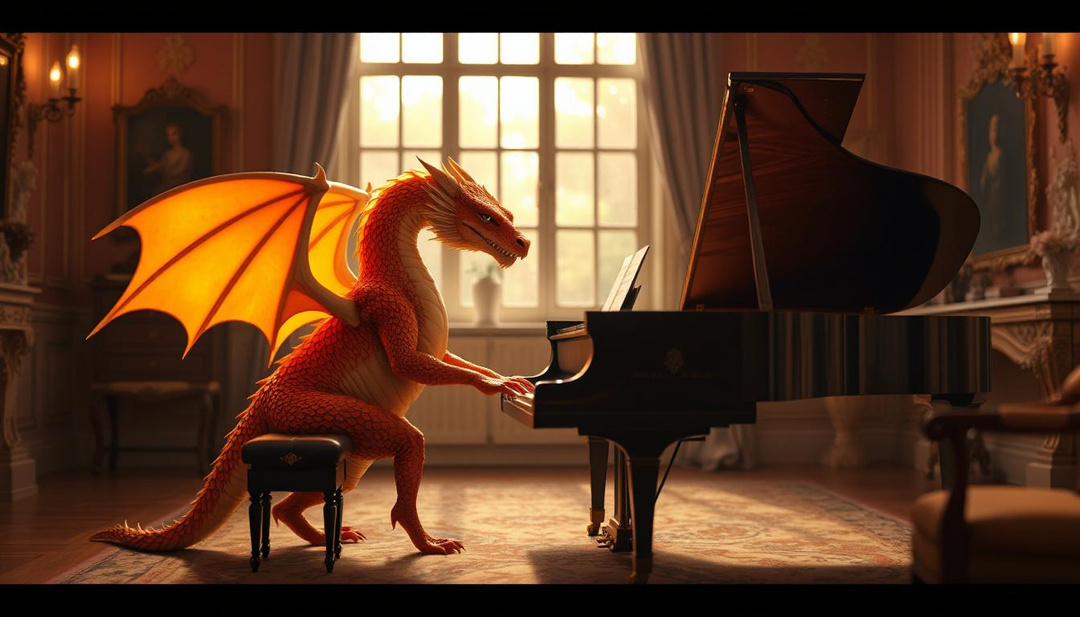
Every album has a moment where it plants its feet. On Piano Reveries, that moment is “Step and Dance.” It’s track fifteen on Michael Clinesmith’s 22-track solo piano album, and its title is a little set of instructions: first you step, then you dance. This Step and Dance piano spotlight covers where the piece sits on the record, what to listen for, and where to hear it, buy it, stream it, or learn to play it.
The basics first. “Step and Dance” is track 15 of 22. It runs 4:53. On the music page’s tracklist it wears the plain Piano tag. There’s no genre label to lean on here, just two hands and a keyboard.
A title that moves in two beats
Piano Reveries has a habit of honest titles. Some name a feeling, like “The Joy in Life” or “Joyous.” Some name a musical idea, like “Melody in C” or “Bouncing Left Hand.” “Step and Dance” names a motion, and it names it in two parts.
That two-part shape is worth noticing. A step is careful. You test the floor, find your balance, and commit your weight. A dance is what happens once you trust the floor enough to stop thinking about it. Put them side by side and you get a small story about confidence, the move from finding your footing to actually enjoying it.
We won’t pretend to know more about the piece’s origins than the music itself tells us. The title is the clue Michael left, and it’s a good one to carry into a first listen.
Where “Step and Dance” sits on Piano Reveries
Track order matters on this record, and “Step and Dance” lands at a real turning point.
The stretch before it keeps changing outfits. Track twelve is “Lovely Night,” the album’s jazz piece. Then comes the pop bounce of “Dance in D” at 2:19, then “Bb Melody,” the only chillwave track on the album. Three tracks, three different genre tags.
Then “Step and Dance” arrives and the album changes course. It opens a run of five straight tracks tagged simply as piano: “Step and Dance,” “Race,” “Bouncing Left Hand,” “Melody in C,” and “Joyous.” After all that genre-hopping, this is where the record comes home to the instrument it’s named for.
It’s also the longest piece in that run by a wide margin. “Race” follows at 3:24, “Bouncing Left Hand” at 2:10, “Melody in C” at 3:53, and “Joyous” closes the run at just 1:50. At 4:53, “Step and Dance” gives the stretch room to settle in before the pace picks up. If the five-track run were a night out, this would be the first song where everyone actually gets on the floor.
There’s a fun echo with the track two spots earlier, too. “Dance in D” and “Step and Dance” both put dancing in the title, but they sit under different tags, one pop and one piano. Listening to them close together is a nice way to hear how differently one composer can approach the same idea.
What to listen for in “Step and Dance”
The best way to meet a piece is to hear it. Head to the music page, find track fifteen, and tap play for the 30-second preview. Then, if it grabs you, give the whole thing a spin. Here’s what to pay attention to.
The length. Nearly five minutes is generous for a piece with “dance” in the name. Plenty of dance-inspired piano music is over in two. That extra time is a choice, and it gives the piece space to develop rather than just state a tune and leave.
The two hands. On solo piano there’s no drummer and no bass player. Whatever pulse a dance piece has, the pianist has to make it alone, usually by splitting the work between the hands. Listen for how the rhythm and the melody share the keyboard, and how the piece keeps its feet moving without any help.
The arc of the title. Keep “step, then dance” in mind as you listen, and notice how the piece feels at the start compared to the end. Titles on this album tend to tell the truth, and following that thread is part of the fun.
Why dance pieces belong on a piano album
People often picture solo piano albums as quiet background music. Piano Reveries has those moments. The hush of “Jade’s Lullaby,” the warmth of “For Grandma,” and the calm of the opening track “After the Storm” are some of the most tender music on the record.
But this album refuses to be only one thing. Its tracks are tagged across classical, piano, flamenco, funk/soul, neo-classical, jazz, pop, chillwave, and thematic film-score writing, and it keeps making room for music that moves. “Step and Dance,” “Dance in D,” and “Race” all prove that the piano can get up out of its chair.
That range comes from the composer. Michael writes music for games as well as for solo piano, and game music needs both gentle themes and pieces with energy. The album has concert credentials too. In 2025, the Vassar City Band performed Piano Reveries live as a full ensemble, carrying these piano-led pieces into band territory. You can read more about Michael’s path on the about page.
Where to listen to, buy, stream, and play “Step and Dance”
Where you go depends on what you want to do with the track.
Hear it and own it. Start on the music page. You can preview all 22 tracks there, buy “Step and Dance” on its own for $3, or get the whole Piano Reveries album for $9.99. Buying direct is the most meaningful way to support an independent composer, and the full album lets you hear this piece kick off the five-track piano run the way it was sequenced.
Stream it. Piano Reveries is out now on streaming. Open it on your favorite service, including Spotify and Apple Music, and add “Step and Dance” to a playlist for walks, chores, or anything that needs a little lift. The studio also shares music for free on the Endtime Entrepreneurs YouTube channel.
Play it yourself. Michael’s sheet music is published on Sheet Music Plus and Sheet Music Direct. Search his name to see what’s in the catalog right now.
Support what comes next. On Patreon, members get exclusive tracks, exclusive sheet music, and behind-the-scenes looks at new work. It’s the most direct way to help the next album happen.
Hire the composer. If your film, game, trailer, or dance project needs original music with movement in it, Michael takes custom composition work through SoundBetter. You can also reach the studio through the contact page.
More from the studio
Piano Reveries shares a home with Rebellion, the indie RPG from Endtime Entrepreneurs. You can play Rebellion on Steam, and its original score is available separately as the Rebellion Soundtrack DLC. If you like the way “Step and Dance” keeps moving, the game’s music is a natural next stop. And keep an eye out for Airy the Dragon, the studio’s mascot, who ties both halves of the Endtime Entrepreneurs world together.
Take the first step
“Step and Dance” is 4:53 of a piano album finding its footing and then letting go. It opens the record’s purest piano stretch, it takes its time, and it makes a good case that solo piano can dance as well as it can dream.
Preview it on the music page, press play, and see where your feet end up. If there’s a track you’d love to see spotlighted next, let us know. We read every message.
 Where to Listen
How to Add Piano Reveries to Your Playlist
A quick guide to saving Piano Reveries by Michael Clinesmith on Spotify or Apple Music, and the moods it fits — focus, reading, rest, and quiet mornings.
Behind the Music When Piano Reveries Met a Full Band: the Vassar City Band Performance
In 2025 the Vassar City Band performed Piano Reveries as a full ensemble. How Michael Clinesmith's solo piano pieces grew into band arrangements.
Behind the Music Eight Genres, One Piano: the Range of Piano Reveries
Piano Reveries moves through classical, jazz, funk, flamenco, chillwave, pop, and film score — all on solo piano. A tour of the album's surprising range.