Inside the Rebellion Soundtrack DLC
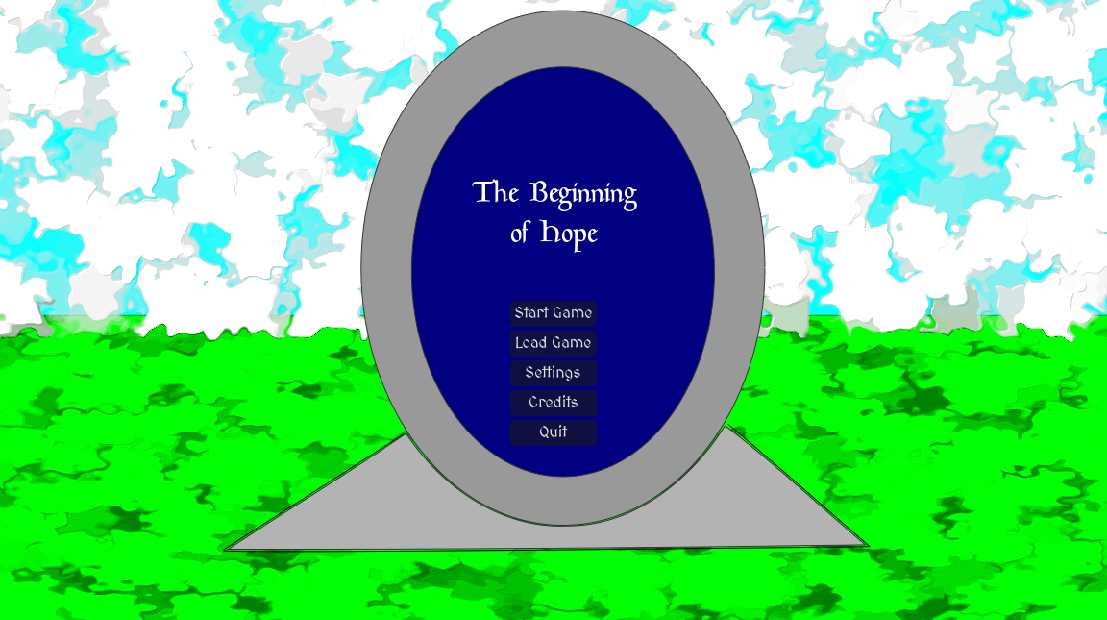
There’s a moment that happens to almost everyone who finishes a game they loved: a week later, a piece of its music surfaces in your head while you’re doing the dishes, and you have no way to hear it again. The Rebellion Soundtrack DLC exists to close that gap. It’s the original score to Rebellion, the indie RPG built by composer Michael Clinesmith, packaged as its own Steam purchase so the music can leave the game and come with you.
What’s inside the Rebellion Soundtrack DLC
A soundtrack DLC on Steam is a slightly odd product if you’ve never bought one, so it’s worth explaining plainly. It isn’t a streaming subscription, and it isn’t a bonus that unlocks something inside the game. It’s a set of audio files that Steam downloads into a folder on your computer, sitting alongside the game’s own install. You buy it once and it stays yours — the music page puts it exactly right: download and keep forever.
That distinction matters more than it sounds. Streaming platforms give you access; a soundtrack DLC gives you the files. If a service changes, or licensing shifts, or you’re on a plane with no signal, the music is still there. For a small indie score in particular, that permanence is most of the point. This isn’t music with a marketing budget behind it that will be re-promoted every year. It’s a specific thing made by one person for one game, and owning a copy is how it sticks around.

The DLC also does something for the game that the game can’t do for itself. Inside Rebellion, the music is working — holding a room’s atmosphere, keeping tension under a fight, filling the space while you read. It’s designed not to be the thing you’re paying attention to. Pull it out and listen on its own, and you finally hear what was written underneath all that work.
How game music differs from an album
Rebellion and Piano Reveries come from the same hands, and comparing them is the fastest way to understand what a game score actually is.
An album track gets to be finite. It starts, it develops an idea, it ends, and you hear it once through in the order the composer chose. After the Storm can take its time arriving somewhere, because it knows it has your attention for exactly as long as it runs.
A game cue has none of that. It doesn’t know how long it needs to last, because it lasts as long as the player stays. It might be heard four hundred times. It has to loop without a visible seam, hold up when it’s interrupted mid-phrase by a doorway, and never carry a hook so clever it turns irritating on the fortieth pass. Restraint isn’t a style choice in game audio. It’s a structural requirement.
That’s why the two bodies of work sound related but behave differently. On the album, Race can drive hard and then stop. In a game, a piece with that energy has to be able to run indefinitely without wearing you out. And where Jade’s Lullaby is allowed to be still because stillness is its entire idea, a quiet area theme has to stay interesting through the twenty minutes a player might spend wandering around inside it.
Writing both teaches you something the other one won’t. The album taught economy of emotion. The game taught economy of material — how far one melodic idea can be stretched before it thins out.
Themes you’ll recognize from the game
If you’ve played Rebellion, the pleasure of the soundtrack is recognition. Places have themes. Moments have themes. Hearing them isolated, without the interface and the dialogue layered on top, is a little like walking through an empty version of a building you know well.

If you haven’t played it, the score still works as listening on its own terms, because it was written by someone whose instincts are melodic first. That’s the through-line between the studio’s game work and its piano work. The same writer who gave The Sun Will Rise Again its long, patient climb is the one deciding how a town in Rebellion should feel when you arrive after something has gone wrong.
The advantage of a one-person studio shows up right here. When the person writing the code is also the person writing the melodies, nothing gets bolted on at the end. The music grew up alongside the world it scores, which is why it sits so closely against it.
Getting the DLC on Steam
The practical part is short. The base game lives at Rebellion on Steam, and the score is a separate listing: the Rebellion Soundtrack DLC. Steam treats soundtrack DLC like any other add-on — you buy it, it appears in your library, and it downloads to a folder you can open like any other folder on your machine.
You don’t need to have finished the game to buy the soundtrack, and plenty of people go the other direction entirely, hearing the music first and picking up the game afterward. Both doors lead to the same place.
More music from the studio
If the score is your entry point, there’s a fair amount waiting on the other side of it.
To listen and own the album. Piano Reveries is the 22-track solo piano record that grew out of this same world — classical, jazz, funk and soul, flamenco, chillwave and pop, all with piano at the center. The three-movement Sonatina in G is the most formally classical thing on it; Play in the Grass is the most unguarded. In 2025 the Vassar City Band performed the album live as a full ensemble, which is a genuinely strange and lovely thing to happen to music written for ten fingers.
To follow along. New music and studio updates go up on YouTube, and the about page has the longer version of how the game and the album ended up feeding each other.
To support the work directly. Patreon is where the studio’s supporters live, and it’s the most direct way to keep independent music like this getting made.
To play it yourself. Sheet music is published on Sheet Music Plus and Sheet Music Direct.
To commission something new. If you’re making a game, a film, or anything that needs music written to fit it rather than music chosen to almost fit it, Michael takes custom scoring work through SoundBetter.
A soundtrack is the part of a game you get to take with you. Grab the Rebellion Soundtrack DLC if you want the score in your library for good, start with the album if piano is more your speed, or get in touch if you’d like music of your own written from scratch.

 Where to Listen
 Reading, Resting, Relaxing: Living With Piano Reveries
How to actually use Piano Reveries day to day — a warm, gentle solo piano album by Michael Clinesmith made for reading, resting, and quiet afternoons.
Composing Hire Michael Clinesmith for a Custom Score
Need original music for your game, film, or video? Composer Michael Clinesmith — creator of Piano Reveries and the Rebellion score — takes custom commissions.
 The Studio
 Why Support an Indie Composer on Patreon
What supporting Endtime Entrepreneurs on Patreon really does — how patrons help Michael Clinesmith keep writing music like Piano Reveries.