Track Spotlight: "Dance in D" — a Light-Footed Piano Dance
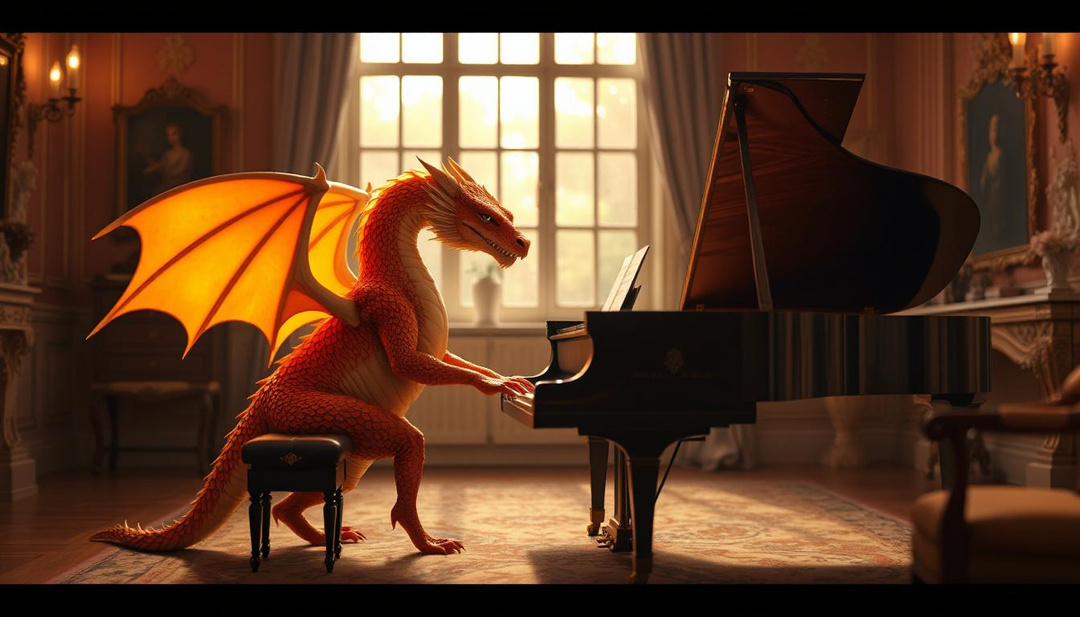
Some pieces ask you to sit still and listen. Dance in D asks you to tap your foot. It is track thirteen on Piano Reveries, Michael Clinesmith’s 22-track solo piano album, and at two minutes and nineteen seconds it is one of the quickest, lightest stops on the whole record.
It also carries a label you might not expect on a piano album. On the music page, where every track wears a little genre tag, “Dance in D” is the only one marked Pop. That one word tells you a lot about the mood before you hear a single note.
What makes a piano piece feel like a dance
A dance, in music, is less about speed than about pulse. It’s the feeling that the beat is something you could step to. Composers have been writing dances for keyboard for centuries, from minuets and waltzes to ragtime, and the good ones all share one trick: the rhythm stays steady enough that your body finds it before your brain does.
On solo piano, that pulse has to come from one player’s two hands. There is no drummer and no bass player keeping time. The pianist is the whole band, so the left hand often takes on the job of the rhythm section while the right hand carries the tune.
That is a lot of work to make sound easy, and “easy” is exactly the point of a dance. If you can hear the effort, it stops feeling like dancing. The best dance pieces sound like they are having fun, even when the player is very busy.
The lift of a light rhythmic pulse
“Dance in D” is short, and the shortness suits it. Plenty of dances are brief by nature. A dance tune has one job, which is to get you moving and keep you smiling, and it doesn’t need eight minutes to do that.
For a sense of scale, the album’s longest piece, The Sun Will Rise Again, runs 8:42. “Dance in D” would fit inside it nearly four times over. Only four tracks are shorter: Two Beat, Joyous, Bouncing Left Hand, and the closing miniature Happy Anniversary.
We’d rather you hear the details than read our description of them, so we won’t walk through it bar by bar. Instead, here’s a listening tip. Put it on once and just notice where your foot wants to land. Then play it again and pay attention to the left hand. A lot of the “dance” in a piano dance lives down there, quietly keeping everyone on their feet.
Why name a piece after its key
The title is refreshingly plain. It is a dance, and it is in D. Naming a piece after its key is an old habit in classical music, and you’ll see it more than once on this album. Melody in C and Bb Melody follow the same pattern, and so does the three-movement Sonatina in G.
Titles like these don’t tell you a story. They tell you what kind of piece it is and where it lives on the keyboard, then leave the feeling up to you. That makes them a nice contrast with the album’s more personal titles, like Jade’s Lullaby or For Grandma, which point at someone specific.
There is also something honest about a title like this. It doesn’t oversell. It just says: here’s a dance, enjoy it. For a two-minute burst of good spirits, that feels exactly right.

Where it brightens the album
Track order on Piano Reveries is worth paying attention to, and “Dance in D” sits in a fun spot. Just before it comes Lovely Night, tagged Jazz. Just after it comes “Bb Melody,” tagged Chillwave. Within three tracks the album moves from a jazzy evening to a pop dance to something laid-back and modern.
That kind of variety is one of the album’s quiet strengths. Across 22 tracks you’ll find pieces tagged Classical, Flamenco, Funk/Soul, Neo-Classical, Jazz, Pop, Chillwave, and Thematic. It’s one composer at one piano, wandering happily between styles.
“Dance in D” also starts a little run of movement on the record. Two tracks later comes Step and Dance, and right after that is Race. If you’re the kind of listener who likes to put an album on while you tidy the kitchen or take a walk, this middle stretch is where it picks up its feet.
It’s a good reminder that Michael writes for games as well as for the concert hall. Game music has to keep things moving, and a sense of forward motion runs through a lot of his work. You can hear it in a different setting in his score for the indie RPG Rebellion on Steam, whose music is also available as the Rebellion Soundtrack DLC.
Listen to “Dance in D”
The easiest way to hear it is right here: you can preview every track and buy Piano Reveries on the music page. The full 22-track album is $9.99, and single tracks are $3 each, so “Dance in D” on its own makes a cheerful little pick-me-up. Buying direct is the most meaningful way to support the studio.
If you’d rather stream, Piano Reveries is live on Spotify, Apple Music, and the other major services. Add “Dance in D” to whatever playlist you use when you need a lift.
Pianists who want Michael’s music under their own hands can browse his published scores through Sheet Music Plus and Sheet Music Direct.
To keep up with new music, subscribe on YouTube. To help fund the next album, Patreon is the place to back the work directly. And if your game, film, or project needs music with this kind of spring in its step, you can hire Michael for a custom score on SoundBetter.
Two minutes and nineteen seconds is a short song. It’s also just long enough to change your mood. Press play, and let your feet decide.
If this resonated, you can listen to and buy Piano Reveries, learn more about the music, or get in touch about a custom score.
 Track Spotlight
: "Step and Dance" — Piano Reveries Finds Its Footing
A spotlight on "Step and Dance," track 15 of Michael Clinesmith's Piano Reveries: a 4:53 solo piano piece that opens the album's five-track piano run. What to listen for, and where to hear, buy, stream, and play it.
Where to Listen How to Add Piano Reveries to Your Playlist
A quick guide to saving Piano Reveries by Michael Clinesmith on Spotify or Apple Music, and the moods it fits — focus, reading, rest, and quiet mornings.
Behind the Music When Piano Reveries Met a Full Band: the Vassar City Band Performance
In 2025 the Vassar City Band performed Piano Reveries as a full ensemble. How Michael Clinesmith's solo piano pieces grew into band arrangements.